
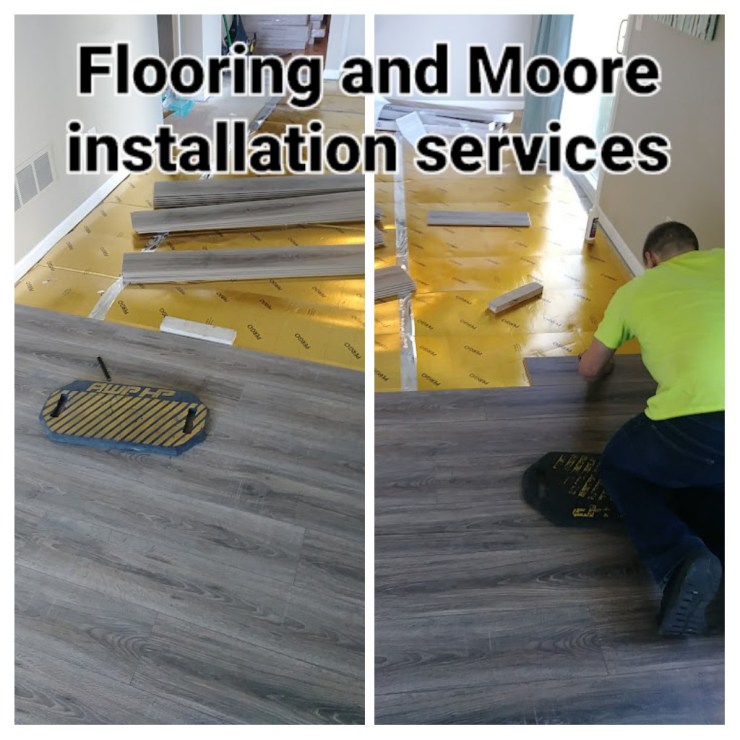
Luxury Vinyl Plank (LVP) flooring has become a popular choice in home improvement, and for good reason. It delivers the high-end look of natural hardwood or stone without the demanding maintenance or high cost. Homeowners are increasingly choosing LVP for its powerful combination of durability, waterproof performance, and style versatility. If you’re considering this excellent flooring option, this guide is for you. It provides comprehensive, step-by-step instructions for a successful luxury vinyl plank flooring installation, empowering you to transform your space with confidence, whether you’re an experienced DIYer or a first-timer.
Why Choose Luxury Vinyl Plank Flooring for Your Home?
Before jumping into the installation, it’s important to understand why LVP is such a compelling choice for modern homes. Its appeal stems from its sophisticated construction and the many benefits that result. Far from the sheet vinyl of the past, today’s LVP is engineered for both performance and style. A successful vinyl flooring installation starts with appreciating the material’s value, and LVP offers plenty of it.
Understanding Luxury Vinyl Plank (LVP) Flooring
Luxury Vinyl Plank is a durable flooring material made of several layers fused together with heat and pressure. This layered design is the key to its excellent performance:
- Wear Layer: This top transparent layer protects against scratches, scuffs, and stains. The thickness of the wear layer, measured in mils, indicates its durability—a thicker layer is better for high-traffic areas.
- Print Layer: Beneath the wear layer is a high-resolution photographic layer that gives the plank its realistic appearance. Advanced printing technology allows LVP to convincingly mimic the grain, color, and texture of many wood and stone types.
- Core: This is the thick, stable center of the plank, providing structural integrity and impact resistance. Cores are usually made from a waterproof material like Stone Plastic Composite (SPC) or Wood Plastic Composite (WPC), making LVP fully waterproof. This is a key difference from laminate, which often has a fiberboard core that can swell and warp when wet.
- Backing Layer: The bottom layer adds stability and sound insulation. Some products include a pre-attached underlayment pad for extra comfort and easier installation.
Key Advantages of LVP
The multi-layered design of LVP offers a range of practical benefits that homeowners appreciate:
- Durability: Designed for the demands of daily life, LVP is highly resistant to scratches from pet claws, dents from dropped objects, and general wear in busy households.
- Waterproof Properties: This is one of LVP’s most valued features. Because its core is non-porous, LVP is 100% waterproof. This makes a waterproof flooring installation an ideal solution for moisture-prone areas like kitchens, bathrooms, laundry rooms, and basements, where hardwood is not suitable.
- Aesthetic Versatility: Whether you want the rustic charm of reclaimed barn wood or the sleek elegance of polished marble, there is an LVP style to match. Realistic textures and embossed surfaces create a look and feel that is remarkably close to the natural materials it imitates.
- Comfort and Sound: LVP is softer and warmer underfoot than hard surfaces like ceramic tile or stone. It also helps dampen sound, reducing in-room noise and footsteps to create a quieter environment.
- Ease of Maintenance: Keeping your LVP floor looking new is simple. All it takes is regular sweeping and occasional damp mopping with a pH-neutral cleaner. Its non-porous surface resists spills and stains, making cleanup easy.
- Cost-Effectiveness: LVP provides the luxurious look of hardwood or stone for a fraction of the cost, for both materials and installation. This makes a high-end look accessible for a wider range of budgets.
Essential Preparation Before You Install LVP Flooring
A flawless finish depends on thorough preparation. Rushing this stage is the biggest mistake you can make when you install LVP flooring. Taking the time to gather your tools, prepare the subfloor, and plan your layout will save you frustration and ensure your new floor looks professional and lasts for years. Think of it as 80% preparation and 20% installation—it’s that important. The best way to lay vinyl flooring is to start with a properly prepared surface.
Gathering Your Tools and Materials
Having everything on hand before you start makes the process smooth and efficient. Here’s what you’ll need for a typical LVP flooring installation:
- Required Tools:
- Utility knife with extra blades: For scoring and snapping planks.
- Tape measure, straightedge, and pencil: For accurate measurements and marking.
- Spacers (1/4 inch): Essential for maintaining the expansion gap around the room’s perimeter.
- Tapping block and rubber mallet: To gently tap planks together for a tight fit without damaging them.
- Jigsaw or miter saw: For making complex cuts around door frames, vents, and other obstacles.
- Safety glasses and gloves: Always prioritize your safety.
- Broom, vacuum, and cleaning supplies: For preparing the subfloor.
- Materials Checklist:
- LVP planks: Calculate your room’s square footage (length x width) and add 5-10% extra for cutting waste.
- Underlayment: Check if your LVP has a pre-attached pad. If not, you might need a separate underlayment for a moisture barrier, sound dampening, or added comfort. Always follow the manufacturer’s recommendation.
- Transition strips: To create a clean finish in doorways or where LVP meets another flooring type, such as carpet or tile.
- Waterproof silicone caulk: For sealing the perimeter in bathrooms or other wet areas to add moisture protection.
Preparing the Subfloor for Optimal Results
Your subfloor must be clean, dry, and level. Any imperfections can show through the final surface, causing clicks, gaps, or uneven wear over time.
- Cleanliness: Thoroughly sweep and vacuum the subfloor to remove all dirt, dust, and debris. Scrape off any dried adhesive, paint, or drywall compound.
- Dryness: Make sure the subfloor is completely dry. If you’re working on a concrete slab, consider using a moisture test. Address any leaks or moisture issues before proceeding.
- Levelness: This is critical. Use a long level or a straight 8-10 foot board to check the floor for high and low spots. The manufacturer will specify a tolerance, usually no more than a 3/16-inch variation over a 10-foot span.
- Fill any dips or low spots with a self-leveling compound.
- Sand or grind down any bumps or high spots.
- Structural Integrity: Walk across the entire subfloor. Screw down any loose plywood panels and fix any squeaks. The subfloor must be solid and stable.
Acclimating Your LVP Planks
Vinyl planks need to adjust to the temperature and humidity of the room where they will be installed. Skipping this step can cause the floor to expand or contract after installation, leading to buckling or gapping. Bring the unopened boxes of LVP into the room and lay them flat for at least 48 to 72 hours. Maintain a consistent room temperature during this time and throughout the installation process.
Accurate Measurement and Layout Planning
A little planning goes a long way.
- Measure Room Dimensions: Double-check your square footage calculation and confirm you have enough flooring.
- Determine Starting Point: It is usually best to start installing a vinyl plank floor along the longest, most visible wall. This creates a strong visual line and minimizes cuts.
- Plan Plank Direction: Laying planks parallel to the longest wall can make a room feel larger. Another popular option is to run them perpendicular to the main window, as the natural light helps hide the seams.
- Dry Lay a Few Rows: Before locking anything into place, lay out a few rows of planks to check the pattern. This helps you visualize how to stagger the seams and ensure you don’t end with a very narrow plank against the far wall.
A Step-by-Step Guide to Laying LVP Flooring
With your preparation complete, it’s time for the rewarding part: applying vinyl flooring and watching your room transform. Most modern LVP uses a “floating floor” click-lock system that is very DIY-friendly and requires no glue. We’ll focus on this common method. Always read your specific product’s instructions, but these steps provide a general guide to the process.
Installing the First Row
The first row is your foundation—getting it perfectly straight is essential for the entire project.
- Establish Your Starting Line: Even if a wall looks straight, it likely isn’t. Measure out from the wall at both ends and snap a chalk line to guide your first row. This ensures a true, straight start.
- Place Spacers: Position 1/4-inch spacers between your starting line (or wall) and the planks. This creates an “expansion gap,” which is crucial for allowing the floor to expand and contract with temperature changes without buckling.
- Lay the First Plank: Place the first plank in a corner with its tongue side (the smaller, protruding edge) facing the wall.
- Connect Subsequent Planks: With most click-lock systems, you’ll take the second plank and angle its tongue into the groove of the first plank’s short end. Press down firmly until it clicks and locks. Use a tapping block and rubber mallet to gently tap the joint for a seamless fit, but do not force it. Continue this process to the end of the row.
- Cut the Last Plank in the Row: Measure the distance from the last full plank to the wall, remembering to subtract 1/4-inch for the expansion gap. Mark this measurement on a new plank. Using a straightedge, score the line deeply with a utility knife, then simply snap the plank along the score.
- Use the Remnant: If the leftover piece from your cut is at least 6-8 inches long, use it to start the second row. This naturally creates the staggered pattern required for a strong, stable floor.
Continuing Subsequent Rows
Now you’ll get into a rhythm. The key is to maintain a random, staggered pattern and keep your rows tight.
- Stagger Joints: The end joints of planks in adjacent rows should never line up. Make sure they are staggered by at least 6-8 inches (or follow the manufacturer’s directions). This not only looks more natural, like real hardwood, but it also adds significant structural integrity. Avoid creating “H-patterns” where joints line up every other row.
- Engage Planks: To connect a new row, hold the plank at a slight angle and fit its long tongue edge into the groove of the previously installed row. Slide it until its short end is close to the previous plank in its own row. Lower the plank flat, then use your tapping block and mallet to gently tap the short-end joint closed.
- Maintain Expansion Gaps: As you work, continue placing spacers along all walls and around any fixed objects like pipes, cabinets, or pillars. This gap is non-negotiable!
Cutting Planks for Walls and Obstacles
No room is a perfect square, so you will inevitably need to make custom cuts.
- Straight Cuts: For most cuts at the end of a row, the simple “score-and-snap” method with a utility knife is fast and effective.
- Irregular Cuts: For complex shapes, a paper template is very helpful. Trace the shape of the obstacle (like a door casing or a pipe) onto paper, cut it out, and test the fit. Once it’s perfect, transfer the template to an LVP plank and use a jigsaw to make the cut.
- Doorways: For a truly professional finish, avoid cutting the plank around the door frame. Instead, use a handsaw or an oscillating multi-tool to undercut the door casing. This allows you to slide the plank directly under the frame, hiding the cut edge completely.
Finishing Touches and Maintaining Your New Waterproof Flooring
You’ve laid the last plank, but the job isn’t quite finished. These final steps will complete your LVP flooring installation, giving it a polished look and ensuring it lasts. Proper finishing and a simple maintenance routine are key to enjoying your beautiful new floor for years to come.
Completing the Installation
With the main flooring in place, it’s time to add the finishing touches.
- Remove Spacers: Once the entire floor is installed, go around the perimeter and remove all the spacers you placed for the expansion gap.
- Install Baseboards and Trim: Trim covers the expansion gap, creating a clean transition between the floor and the wall. Reinstall your old baseboards or attach new ones. Crucially, nail the baseboards to the wall, not to the floor. Nailing them to the floor would prevent the LVP from floating, defeating the purpose of the expansion gap.
- Install Transition Strips: In doorways and any areas where your new LVP meets a different flooring type (like carpet or tile), install the appropriate transition strips. These provide a safe and attractive bridge between the two surfaces.
- Caulk Edges (Recommended for Wet Areas): For an extra layer of protection in bathrooms, kitchens, or laundry rooms, apply a thin bead of 100% waterproof silicone caulk in the seam between the floor and the baseboard or tub. This prevents surface water from seeping into the expansion gap.
Initial Cleanup and Post-Installation Care
Before moving furniture back in, give your new floor its first cleaning.
- Sweep and then vacuum the floor thoroughly (use a hard floor setting without a beater bar) to remove all dust, debris, and small plank pieces.
- Clean the floor lightly with a damp mop using water or a manufacturer-approved, pH-neutral cleaner. This will remove any film or footprints from the installation process.
Long-Term Maintenance for Your LVP Floor
One of the best features of LVP is its simple maintenance. Follow these rules to keep it looking great:
- Regular Cleaning: Sweep, dust mop, or vacuum regularly to remove grit and dirt that can act like sandpaper and dull the finish. For a deeper clean, use a damp mop with a pH-neutral vinyl floor cleaner. Avoid using too much water.
- Protecting Your Floor:
- Place felt pads under the legs of all furniture to prevent scratches.
- When moving heavy appliances or furniture, lift and carry them instead of dragging them across the floor.
- Use doormats at all exterior entrances to trap dirt, moisture, and debris before they get on your floor.
- Avoid using rubber-backed mats, as a chemical reaction between the rubber and vinyl can cause permanent discoloration. Choose mats with a natural or non-staining backing.
- Addressing Spills: Although the floor is waterproof, it’s best to wipe up spills quickly to prevent potential staining or slip hazards.
- Avoid Harsh Chemicals: Never use abrasive cleaners, wax, oil soaps, or ammonia-based products. Also, avoid steam mops, as the high heat can damage the wear layer and weaken the locking system. Always stick to the manufacturer’s recommendations.
Expert Tips and FAQs: Ensuring the Best Way to Lay Vinyl Flooring
Even with a detailed guide, questions and tricky situations can arise. This section addresses common pitfalls, helps you decide when to hire a professional, and answers frequently asked questions about installing vinyl planks. This extra knowledge will help you navigate any challenge and achieve a flawless result.
Common Installation Mistakes to Avoid
Learning from others’ mistakes is the smartest way to ensure your project succeeds. Watch out for these common errors:
- Inadequate Subfloor Preparation: We can’t say it enough: a clean, dry, and perfectly level subfloor is non-negotiable. Any bumps, dips, or debris will eventually show through or cause the planks to separate.
- Ignoring Acclimation: Skipping the 48-72 hour acclimation period is a serious mistake. Planks installed without adjusting to the room’s climate can buckle or form gaps as they expand or contract later.
- Insufficient Expansion Gaps: Forgetting to leave a 1/4-inch gap around the entire perimeter (including around cabinets, pipes, and door frames) is a critical error. The floor needs this space to “float” and move with temperature changes.
- Improper Staggering of Planks: Lining up the end joints or creating a noticeable pattern (like “stair steps”) looks amateurish and weakens the floor’s structural integrity. Aim for a random, natural look with at least 6-8 inches between seams in adjacent rows.
- Rushing the Process: Take your time. Measure twice and cut once. Ensure each plank is tightly locked on all sides before moving to the next. Precision is more important than speed.
When to Consider Professional Installation
While a DIY LVP flooring installation is very achievable, there are times when calling a professional is the wiser choice:
- Complex Room Layouts: If your space has many angles, curved walls, or complex obstacles, a pro will have the experience and tools to handle the intricate cuts required.
- Large Areas: Installing LVP across a large, open-concept space or an entire home can be physically demanding. A professional crew can complete the job much faster.
- Significant Subfloor Issues: If your subfloor needs extensive leveling or structural repairs, it’s often best to have an expert handle that foundational work.
- Time Constraints or Lack of Confidence: If you’re on a tight deadline or simply don’t feel comfortable tackling the project, hiring a pro provides peace of mind and a guaranteed quality result.
- Warranty Requirements: Some LVP manufacturers require installation by a certified professional for the warranty to be valid. Always check the fine print.
Frequently Asked Questions (FAQs)
Q: Can I install LVP over existing tile or hardwood?
A: Yes, in many cases. The key condition is that the existing floor must be flat, stable, and in good condition. For tile, you may need to fill the grout lines with a leveling compound to create a smooth surface. For hardwood, ensure no boards are loose or damaged. You cannot install a floating LVP floor over another floating floor (like laminate) or a soft surface like carpet.
Q: Is underlayment always necessary for LVP?
A: It depends. Many modern LVP products come with an underlayment pad already attached. If your product has one, you typically do not need an additional layer. If it doesn’t, or if you are installing over concrete, a separate underlayment is often recommended for moisture protection, comfort, and sound dampening.
Q: How long does LVP installation typically take for a DIYer?
A: For an average-sized room (e.g., 12×15 feet), a prepared DIYer can often complete the installation over a weekend. Day one might be for final subfloor prep and laying the first half, while day two could be for finishing the floor and installing trim. Remember to factor in the 48-72 hours for acclimation before you begin.
Q: What’s the difference between LVP and LVT?
A: The main difference is shape and style. LVP stands for Luxury Vinyl Plank and comes in long planks that mimic hardwood. LVT stands for Luxury Vinyl Tile and comes in square or rectangular tiles that usually mimic stone or ceramic. They are made from the same materials and offer the same durability and water resistance.
Q: How do I fix a damaged LVP plank?
A: For a floating floor, you can replace a single damaged plank. This involves carefully cutting out the damaged plank with a utility knife and multi-tool. You then prepare a new plank by cutting off its tongue, applying wood glue to the edges of the surrounding planks, and fitting the new piece into place. It is a delicate process, but it is manageable with patience.
 Flooring And Moore Installation Services