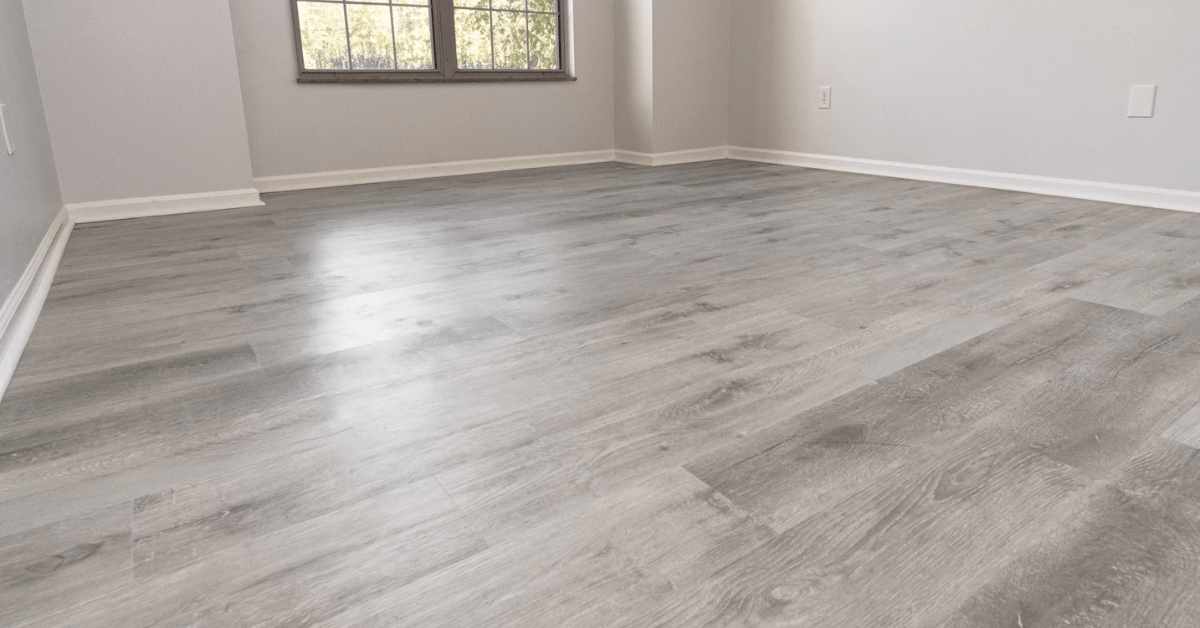
Welcome to the ultimate guide to luxury vinyl plank flooring, one of the most adaptable materials in modern flooring. If you are renovating or building, you have likely heard about this popular option. Its appeal has grown significantly because it offers the timeless look of natural materials like hardwood and stone without their high cost and demanding maintenance. LVP successfully combines beautiful aesthetics with impressive durability, making it a smart and stylish choice for any room. This guide covers everything you need to know, from its construction and benefits to different styles and installation methods, to help you find the perfect vinyl plank flooring for your space.
What Exactly is Luxury Vinyl Plank Flooring?
At its core, luxury vinyl plank flooring (LVP) is a multi-layered, synthetic flooring product engineered to be a durable and authentic alternative to natural materials. Unlike the sheet vinyl of the past, modern LVP is a sophisticated product that uses advanced 3D printing technology to realistically mimic the grain, texture, and color of real wood. This allows you to get the desired look of oak, hickory, or maple—often called “vinyl hardwood flooring”—in areas where real wood is impractical, such as bathrooms and basements. Its performance comes from its layered construction, with each layer serving a specific purpose.
Let’s break down the anatomy of a typical luxury vinyl plank:
- Wear Layer: This is the floor’s invisible shield. As a clear, tough top coating, the wear layer protects the printed design from scratches, scuffs, stains, and fading. Its thickness, measured in mils (thousandths of an inch), is the most important factor in determining the floor’s durability. A thicker wear layer means better protection and a longer lifespan.
- Print Layer: This layer creates the plank’s appearance. It is a high-resolution photographic image that gives the flooring its beautiful look. Whether it’s a rustic, hand-scraped vinyl wood flooring style or a sleek, modern stone design, the realism of this layer is what distinguishes luxury vinyl from other synthetic options.
- Core Layer: The core provides the plank’s structure, rigidity, and stability. It is typically waterproof and comes in two main types: WPC (Wood Plastic Composite) and SPC (Stone Plastic Composite). WPC cores are thicker and contain wood-based foaming agents, making them feel softer and warmer underfoot. SPC cores are denser, thinner, and more rigid due to their high limestone content, offering superior dent resistance. We will explore this difference in more detail later.
- Backing Layer: As the plank’s foundation, this bottom layer adds stability and sound absorption. It sometimes includes a pre-attached underlayment for extra comfort and easier installation.
While shopping, you will encounter several terms that often refer to the same family of products. “LVP” specifically means luxury vinyl plank, usually in a wood-look format. “LVT” stands for Luxury Vinyl Tile, which comes in shapes that mimic stone or ceramic. “Engineered vinyl plank flooring” is another name for LVP that highlights its multi-layered construction, similar to engineered hardwood. Whether you see it called lvp luxury vinyl plank or lvt plank flooring, you are looking at a durable, beautiful, and modern flooring solution.
Why Choose Vinyl Plank Flooring for Your Home?
Vinyl plank flooring is a popular choice because it solves many common household challenges by blending practicality with high-end design. Whether you have a busy family with children and pets, need a solution for a moisture-prone area, or are working within a specific budget, LVP delivers on multiple fronts.
- Exceptional Durability: Daily life can be tough on floors, but LVP vinyl plank flooring is built to withstand it. Its robust wear layer offers excellent resistance to scratches from pet claws, scuffs from furniture, and dents from dropped items. This makes it an ideal choice for high-traffic areas like entryways, hallways, and living rooms. Unlike delicate hardwood, LVP maintains its appearance for years with minimal worry.
- 100% Waterproof and Moisture Resistant: This is one of LVP’s biggest advantages. Because its core is made from synthetic materials, it is completely impervious to water. You can spill, splash, and mop without worrying about the planks swelling, warping, or buckling. This quality makes luxury vinyl plank the perfect flooring for kitchens, bathrooms, laundry rooms, and basements—areas where solid hardwood is a risk. It also helps prevent moisture from seeping into the subfloor, which inhibits mold and mildew growth.
- Realistic Aesthetics: Modern luxury wood plank flooring uses advanced imaging and texturing techniques, such as embossed-in-register (EIR), to create an incredibly authentic look and feel. With EIR, the grain patterns and textures align perfectly, mimicking the natural imperfections of real wood. You can find a vast array of styles, from the classic elegance of oak to the rustic charm of pine, creating a convincing “vinyl plank hardwood flooring” effect. Options also include realistic stone and ceramic looks, often called plank lvt flooring.
- Comfort Underfoot: Compared to hard surfaces like ceramic tile or concrete, LVP is noticeably softer and more forgiving to stand on for long periods. This is especially true for products with a WPC core or an attached underlayment. This slight flexibility not only reduces foot fatigue but also helps dampen sound, making your home quieter by reducing the noise of footsteps and echoes.
- Easy Maintenance: For those who want a clean home without hours of upkeep, vinyl plank flooring is an excellent choice. Its non-porous surface resists stains and spills, which wipe away easily. A simple routine of sweeping or vacuuming (without a beater bar) and occasional damp mopping with a pH-neutral cleaner is all it takes to keep your floors looking new. No waxing, polishing, or refinishing is ever required.
- Cost-Effectiveness: LVP offers the luxurious look of hardwood or stone at a fraction of the cost. While the initial price of luxury vinyl flooring planks can vary, it is almost always more affordable than natural materials. When you factor in the lower installation costs (especially for DIY-friendly click-lock systems) and the lack of long-term maintenance expenses, the overall value is clear.
Exploring the Many Styles and Types of Luxury Vinyl Plank
Once you have decided on luxury vinyl plank, the next step is to explore the wide range of options to find the perfect match for your home’s style and your family’s needs. Understanding the key differences in construction, style, and installation will help you make a confident choice. Every detail, from the core material to the surface texture, contributes to the floor’s performance and appearance.
A good place to start is the core construction, which determines the floor’s fundamental properties:
- WPC (Wood Plastic Composite): Known for comfort, WPC flooring has a core made from a blend of recycled wood pulp, plastic composites, and a foaming agent. This makes it thicker, lighter, and softer underfoot. The added resilience provides more cushion and better sound insulation, making it a great choice for family rooms, bedrooms, and other living areas where comfort is a priority.
- SPC (Stone Plastic Composite): Known for durability, SPC flooring has a core made of natural limestone powder, polyvinyl chloride, and stabilizers. This creates an incredibly dense, rigid, and stable plank that is highly resistant to damage. SPC is an excellent choice for high-traffic commercial settings or busy homes with active kids and large pets because it resists dents from heavy furniture or dropped objects. Its rigidity also helps it hide minor subfloor imperfections.
Next, consider the wear layer thickness. Measured in mils, this transparent top layer is vital for the floor’s longevity. For most homes, a wear layer of 12 to 20 mil is more than enough to handle everyday traffic. For light commercial use or extremely high-traffic homes, choosing a luxury plank flooring with a 20 mil or thicker wear layer is a wise investment.
Of course, the visual style is what brings your design vision to life. The options are nearly endless:
- Wood Look: This is the most popular style, perfectly capturing the essence of vinyl plank hardwood flooring. You can find everything from wide, rustic planks with a distressed finish to narrow, smooth planks for a more contemporary feel. Popular species replicated include oak, hickory, maple, and walnut, available in colors from light, airy blondes to deep, rich espressos.
- Stone and Tile Look: Often found in LVT format but also available as planks, these styles beautifully replicate materials like slate, travertine, marble, and concrete. They offer the high-end look of natural stone without the cold, hard feel or the need to seal grout.
- Embossed-in-Register (EIR): For the most realistic appearance, look for luxury vinyl wood flooring with EIR technology. This manufacturing process aligns the surface texture with the printed image, so you can feel the knots and grain patterns you see. It creates a level of authenticity that makes it difficult to distinguish from real wood.
Finally, consider the installation method. The most common is Click-Lock/Floating, where planks interlock without being attached to the subfloor, making it very DIY-friendly. The other method is Glue-Down, where each plank is adhered directly to the subfloor. This creates an extremely stable, permanent floor and is often preferred for large commercial spaces or areas with heavy rolling loads.
Installation and Care for Your Vinyl Plank Flooring
One of the most appealing aspects of vinyl plank flooring is its straightforward installation and simple maintenance. Whether you are an experienced DIYer or plan to hire a professional, understanding the process will ensure your new floor performs beautifully for years. Proper care begins before the first plank is laid and continues with simple, preventative habits.
Before installation, a few key steps are critical for success:
- Subfloor Preparation: Your new flooring lvp needs a solid foundation. The subfloor must be clean, dry, and flat. Any significant bumps or dips should be sanded down or filled with a leveling compound. An unprepared subfloor can cause the click-lock system to fail or create hollow spots underfoot.
- Acclimation: Like many flooring materials, LVP needs to adjust to the temperature and humidity of its new environment. Bring the boxes of planks into the room where they will be installed and let them acclimate for at least 48 hours before installation. This prevents the planks from expanding or contracting after being laid, which could cause gapping or buckling.
The installation itself, especially for a floating floor, is manageable for many homeowners. A typical click-lock installation involves laying the planks row by row and clicking the tongue-and-groove edges together. Planks at the end of each row must be cut to size with a utility knife or a vinyl floor cutter. While the process is logical, professional installation is always a great option, particularly for rooms with complex layouts, multiple doorways, or if you choose a glue-down vinyl laminate plank flooring.
Once your beautiful new floor is installed, keeping it looking pristine is easy:
- Routine Cleaning: The best way to prevent damage from dirt and grit is regular cleaning. Sweep with a soft-bristle broom or vacuum (using the hard floor setting without the beater bar) every few days to remove debris that can scratch the surface. For a deeper clean, use a damp mop with a pH-neutral flooring cleaner. Avoid using excessive water, wax-based products, or abrasive scrubbers. Importantly, never use a steam mop, as the high heat can damage the vinyl and void the warranty.
- Preventative Care for Longevity: A few simple habits can dramatically extend the life of your engineered vinyl plank flooring. Place felt pads under the legs of all furniture to prevent scratches. Use doormats at exterior entrances to trap dirt, grit, and moisture before they are tracked onto the floor. While LVP is fade-resistant, it is wise to use curtains or blinds to protect it from prolonged, intense sunlight, which can cause discoloration over many years.
Finding the Best Luxury Vinyl Plank Flooring for Your Needs
With a solid understanding of what luxury vinyl plank flooring is and what it offers, you are ready to find the perfect product for your project. The number of options can feel overwhelming, but by considering your needs, budget, and style, you can confidently navigate the market. This final step is about matching the right features to your unique situation.
First, assess your lifestyle and the demands of the space. Ask yourself key questions: How much foot traffic does this room get? Do I have pets or young children? Is this a moisture-prone area like a bathroom or a dry one like a bedroom? Your answers will help you prioritize features. A home with a large dog and active kids will benefit from a durable SPC core and a thick, 20-mil wear layer. For a quiet guest bedroom, a more comfortable WPC core with a 12-mil wear layer might be a better fit.
Next, establish a clear budget. When looking at luxury vinyl plank flooring for sale, you will find a wide price range influenced by thickness, core type, wear layer, and brand. Remember to factor in the cost of underlayment (if not attached), transition pieces, and potential installation labor if you are not doing it yourself. Creating a square-foot budget that includes these extras will help you narrow your search and avoid surprises.
With your practical needs and budget in mind, you can focus on the fun part: selecting a style. This is where you can personalize your space. Whether you prefer the warm, rustic look of luxury wood plank flooring or a sleek, modern vinyl plank laminate style, choose a color and pattern that complements your home’s decor, wall colors, and cabinetry. Consider selecting a timeless style that you will enjoy for years to come.
So, where should you look? A great first step is to visit local flooring showrooms. This allows you to see and feel the luxury vinyl flooring planks in person, compare textures, and get expert advice. Online retailers often offer a broader selection and competitive pricing, but you miss the in-person experience. A hybrid approach is often best: browse online to identify styles you like, then find a local dealer to see them up close. Always read product reviews and check the detailed specifications before making a final decision.
Finally, pay attention to the details before you buy. Check the warranty terms, as a long residential warranty is a good indicator of a quality product. Most importantly, order samples of your top choices. A small sample can look very different in your home’s unique lighting than it does in a showroom or on a screen. Place the samples in the room, view them at different times of day, and see how they feel underfoot. This simple step is the best way to ensure your new lvp vinyl plank flooring is the perfect foundation for your home.
 Flooring And Moore Installation Services